


5 Essential Things to Know Before Choosing a New Garage Door
A garage door takes up a large part of the front of many homes, yet it often gets replaced only after it dents, sticks, squeals, or stops working at the worst possible time. That is a missed opportunity.
The right garage door can make a home look newer in a single day. It can also improve daily convenience, support better security, and help protect one of the hardest-working entrances in the house.
Before choosing a new one, it helps to understand what a garage door really does. It is not just a moving wall. It is part of the exterior design, part of the home’s first impression, and for many households, the entrance used more than any other.

1. A new garage door can change the whole look of your home
A garage door has a bigger visual impact than many homeowners expect. On homes where the garage faces the street, the door can take up a major share of the front exterior. If it is faded, dented, outdated, or mismatched, the whole home can look older than it really is.
A new garage door can instantly make the exterior look cleaner and more intentional. It can create contrast, add architectural detail, or give a plain facade a stronger focal point.
Small design choices make a noticeable difference:
A dark door can ground a light-colored exterior.
A wood-look finish can warm up brick, stone, or siding.
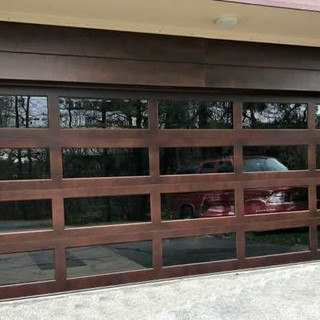
Window panels can add character and natural light.
Clean horizontal lines can give the home a more modern feel.
Traditional raised panels can suit colonial, craftsman, and ranch-style homes.
The goal is not to choose the flashiest door. The goal is to choose a door that looks like it belongs to the home.
A garage door should work with the roofline, siding, trim, front door, shutters, and exterior lighting. When those pieces feel connected, the home looks more polished from the street.
If the rest of the exterior is simple, the garage door can add texture without overwhelming it. If the home already has strong details, a simpler garage door may be the better choice.
A good garage door upgrade should make people notice the home, not just the door.

2. Curb appeal can support property value
Curb appeal is more than a nice-to-have detail. It shapes how people feel about a home before they step inside.
A well-kept exterior suggests the rest of the property has been cared for. A worn garage door can send the opposite message, even if the interior is in great shape. Buyers, appraisers, neighbors, and visitors all form an opinion from the street.
That matters because exterior updates often help a home feel more move-in ready. A new garage door can be especially effective because it combines appearance with function. It is both a design upgrade and a practical improvement.
Curb appeal can influence value in a few ways:
It helps create a strong first impression.
It can make listing photos more appealing.
It supports the overall condition of the home.
It can reduce buyer concerns about immediate repairs.
It can make the property stand out from similar homes nearby.
This does not mean every home needs the most expensive garage door available. In many cases, a clean, well-matched, properly installed door can have more impact than an oversized or highly decorative one.
Think about the style of the neighborhood too. A dramatic ultra-modern door may look great on one home and out of place on another. A classic carriage house design may suit certain homes beautifully but feel too busy on a minimalist exterior.
For homeowners planning to sell within the next few years, garage door replacement can be a smart exterior project to review early. It is visible, useful, and easy for people to understand. Unlike some upgrades that require explanation, a good garage door speaks for itself.
For homeowners staying long-term, curb appeal still matters. Coming home to a clean, attractive exterior adds a sense of pride. It can also encourage better upkeep in other areas, such as landscaping, lighting, and entryway maintenance.
3. The garage has become the new front door
The front door may be the formal entrance, but the garage is often the real one.
For many households, daily life flows through the garage. People come and go with groceries, sports gear, strollers, tools, bikes, pet supplies, and school bags. In homes with attached garages, the interior door from the garage into the house may get used far more often than the front entry.
That changes how the garage door should be viewed. It is no longer just a place to park a car. It is a main access point.
That means the door needs to do more than look good. It should open smoothly, close reliably, and support the way the home is actually used. If the garage door is noisy, slow, poorly insulated, or unreliable, the problem affects daily routines.
A garage door that sticks or shakes may seem like a small annoyance until it happens during bad weather, early in the morning, or when someone is trying to leave quickly. A weak opener, worn springs, or damaged tracks can turn a routine entry into a safety issue.
Modern garage doors and openers can offer features that fit daily use better:
Quieter operation for attached garages.
Better insulation for comfort and energy control.
Stronger seals to help block drafts, dust, and pests.
Windows for natural light.
Battery backup options where available.
Smart controls for remote access and alerts.
Not every home needs every feature. The best choice depends on how the garage is used. A garage that doubles as a workshop, laundry area, gym, storage zone, or hobby space may benefit from insulation and natural light. A detached garage used mainly for storage may have different priorities.
If a search for garage door companies near me, brings up dozens of choices, focus on installers who ask practical questions before recommending a door. A good recommendation should take into account the home style, climate, daily use, budget, and safety needs.

4. Style and material matter more than most people think
Choosing a garage door can feel simple until the options appear. There are panel styles, colors, windows, insulation levels, hardware, and several materials to compare. A little planning can prevent a choice that looks good in a showroom but feels wrong at home.
Start with the home’s architecture. The garage door should support the style rather than fight it.
Common pairings include:
Home style | Garage door styles that often work well |
Ranch | Simple raised panel, flush panel, horizontal lines |
Craftsman | Carriage house, recessed panel, wood-look finish |
Colonial | Traditional raised panel, symmetrical window layouts |
Modern | Flush panel, glass and aluminum, clean horizontal designs |
Farmhouse | Carriage-style, white or wood-look finishes, decorative hardware |
Color is just as important as shape. A garage door can match the trim for a neat, blended look, or contrast with the siding for more impact. Matching the garage door to the front door can work well, but it is not required. In some homes, matching the trim or siding creates a calmer exterior.
Windows also deserve thought. They can make a garage look more finished and bring in natural light. Placement matters. Top-row windows offer light while keeping more privacy. Vertical or side window layouts can create a more modern look.
Material affects appearance, maintenance, insulation, and cost.
Steel is one of the most common choices. It is durable, widely available, and comes in many styles. It can mimic wood and can be insulated.
Wood offers natural beauty and character. It can suit traditional, craftsman, and custom homes well. It usually needs more maintenance than other materials.
Aluminum and glass can create a sleek modern look. This style works especially well on contemporary homes, though privacy and insulation should be reviewed.
Composite materials can offer the look of wood with less upkeep. Quality varies, so product details matter.
Fiberglass can resist moisture and may work well in certain climates, but it may not be the best fit for every home or every impact-prone area.
Do not choose on looks alone. Ask how the material performs in local weather. Heat, cold, humidity, wind, salt air, and sun exposure can affect finishes and hardware over time.
Insulation is another key choice. An insulated garage door can help with comfort, especially if the garage is attached to the home or used for more than parking. It can also reduce noise. Look at the door’s construction, not just the insulation claim.
Finally, think about hardware. Handles, hinges, trim, and decorative straps can add charm, but too much hardware can make a door look busy. If the home has a clean exterior, simpler details often age better.
5. Maintenance helps your garage door last longer
A good garage door should not need constant attention, but it should not be ignored either. A little routine care can help the door operate more smoothly and may prevent small issues from turning into expensive repairs.
Start with visual checks. Every month or so, look at the door while it opens and closes. Watch for jerky movement, uneven gaps, shaking, scraping, or sagging sections. Listen for grinding, popping, or squealing sounds.
Keep the tracks clean. Dirt, leaves, and small debris can affect movement. Wipe the tracks gently, but do not make major adjustments unless you know what you are doing.
Lubricate moving parts as recommended by the door or opener manufacturer. Rollers, hinges, and springs may need lubrication, but use the right product. Avoid heavy grease that attracts dirt.
Check the weatherstripping along the bottom and sides. Cracked or missing seals can let in water, pests, and drafts. Replacing worn seals is a simple way to keep the garage cleaner and more comfortable.
Test the safety features. Garage door openers should reverse when they meet resistance, and photo-eye sensors should stop the door from closing when something blocks the beam. If these features do not work correctly, schedule service.
Keep painted or stained surfaces in good condition. Wood doors need the most attention, but any finish can wear down from sun and weather. Touching up chips and scratches helps protect the material underneath.
Most important, be careful with springs and cables. These parts are under high tension and can cause serious injury if handled incorrectly. Leave spring replacement, cable repair, and major alignment work to trained technicians.

A simple maintenance check up can prolong your garage doors life indefinatly.
Monthly Watch and listen while the door operates.
Seasonally Clean tracks, inspect seals, and look for surface damage.
Once or twice a year Lubricate moving parts if recommended and test safety features.
As needed Call a professional for unusual noises, broken springs, frayed cables, or uneven movement.
Garage doors work hard. They lift and lower hundreds or thousands of times over the years. Regular care helps protect that investment and keeps the door safer for daily use.
The best garage door choice balances beauty, function, and upkeep

A new garage door can refresh a home’s appearance almost immediately, but its real value goes beyond looks. It supports curb appeal, protects a major entrance, and makes daily life easier when it operates the way it should.
Before choosing a door, look at the full picture. Match the style to the home. Choose a material that fits the climate and maintenance level you are comfortable with. Think about how often the garage is used and what features would make it more practical. Then keep up with simple maintenance so the door continues to perform well.
The right garage door should feel like a natural part of the home from the street and a reliable part of everyday life from the inside.


Comments