


How to Address Garage Door Repair Issues
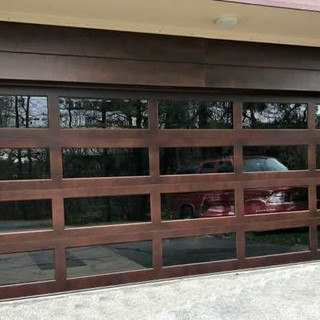
Garage doors are essential for the security and convenience of your home or business. When they stop working properly, it can be frustrating and even unsafe. I’ve learned that understanding common garage door problems and knowing how to address them can save you time, money, and stress. In this post, I’ll walk you through the most frequent issues, how to troubleshoot them, and when to call in the experts.
Common Garage Door Repair Issues You Should Know
Garage doors are complex systems with many moving parts. Over time, wear and tear can cause various problems. Here are some of the most common garage door repair issues I’ve encountered:
Door won’t open or close: This could be due to a dead remote battery, a malfunctioning sensor, or a broken spring.
Noisy operation: Squeaking, grinding, or rattling sounds often indicate worn rollers, loose hardware, or lack of lubrication.
Door reverses before closing: Safety sensors might be misaligned or dirty, causing the door to reverse unexpectedly.
Slow response or jerky movement: This can be caused by worn-out tracks, damaged rollers, or a failing opener motor.
Door is off track: This is a serious issue that can cause the door to jam or fall, often due to physical damage or loose brackets.
Understanding these issues helps you identify what might be wrong and decide on the best course of action.

How to Diagnose Garage Door Problems
Before rushing to fix your garage door, it’s important to diagnose the problem accurately. Here’s a simple step-by-step approach I recommend:
Visual inspection: Look for obvious signs of damage like broken springs, bent tracks, or loose cables.
Listen carefully: Pay attention to any unusual noises when operating the door.
Test the opener: Check if the remote or wall switch is working properly. Replace batteries if needed.
Check safety sensors: Make sure the sensors at the bottom of the door are clean and aligned.
Manual operation: Disconnect the opener and try to open the door manually. If it’s heavy or stuck, the springs or rollers might be the issue.
Taking these steps helps you narrow down the problem and decide if it’s something you can handle or if professional help is needed.
Can I Fix My Garage Door Myself?
Many homeowners wonder if they can tackle garage door repairs on their own. The answer depends on the problem and your comfort level with tools and safety precautions.
Simple fixes you can try:
- Replacing remote batteries
- Cleaning and aligning safety sensors
- Lubricating rollers, hinges, and tracks with a silicone-based spray
- Tightening loose bolts and screws
Repairs to leave to professionals:
- Replacing or adjusting springs (these are under high tension and can be dangerous)
- Fixing or replacing cables
- Realigning or replacing tracks
- Repairing or replacing the opener motor
If you decide to DIY, always prioritize safety. Wear gloves and eye protection, and never attempt to adjust springs without proper knowledge. When in doubt, it’s best to call a trusted garage door repair professional.

Eye-level view of a garage door safety sensor mounted near the ground
When to Call a Professional for Garage Door Repair
Sometimes, the best choice is to call in the experts. Here are some signs that it’s time to schedule professional garage door repair:
The door won’t open or close despite basic troubleshooting
You notice broken springs or cables
The door is off its tracks or visibly damaged
The opener makes unusual noises or doesn’t respond
You feel unsure or unsafe about attempting the repair yourself
Professional technicians have the tools, experience, and training to handle complex repairs safely and efficiently. They can also perform routine maintenance to extend the life of your garage door system.
If you’re in Central Texas and need reliable service, I recommend reaching out to a local company that specializes in quick, expert garage door repair. They understand the unique needs of homes and businesses in the area and can provide prompt, trustworthy service.
Tips to Prevent Garage Door Problems
Prevention is always better than repair. Here are some simple tips I follow to keep my garage door in good shape:
Regular maintenance: Inspect your door and opener every few months for signs of wear.
Lubricate moving parts: Use a silicone-based lubricant on rollers, hinges, and tracks twice a year.
Keep sensors clean: Wipe the safety sensors with a soft cloth to ensure they work properly.
Balance the door: Test the door’s balance by disconnecting the opener and lifting it halfway. It should stay in place without falling.
Avoid slamming: Close the door gently to prevent damage to the opener and hardware.
By staying proactive, you can avoid many common garage door issues and enjoy smooth operation for years.
Ready to Keep Your Garage Door Running Smoothly?
Garage doors are more than just entry points - they protect your property and provide convenience every day. When problems arise, knowing how to address them can make all the difference. Whether you’re tackling minor fixes yourself or calling in professionals for more complex repairs, taking action promptly ensures your door stays safe and reliable.
If you ever need expert help, don’t hesitate to contact a trusted garage door repair service in Central Texas. They’re ready to provide fast, dependable solutions tailored to your needs.
Remember, a well-maintained garage door is a happy door! Keep an eye on it, and you’ll enjoy peace of mind and smooth operation for years to come.


Great Post with useful tips for handling common garage door problems. The troubleshooting advice is practical and easy to follow, similar to what Garage Door Experts Hollywood focus on when helping homeowners.