


Resolving Common Garage Door Problems - Your Garage Door Problems Guide
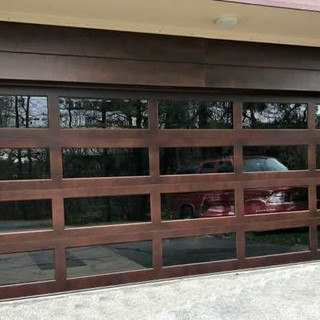
Garage doors are essential for the security and convenience of your home or business. Yet, like any mechanical system, they can develop issues over time. When your garage door starts acting up, it can be frustrating and even unsafe. But don’t worry - many common garage door problems are easier to fix than you might think. In this guide, I’ll walk you through typical issues, how to identify them, and practical steps to resolve them. Let’s get your garage door working smoothly again!
Understanding Your Garage Door Problems Guide
Before diving into specific problems, it helps to understand how your garage door system works. Most garage doors operate with a combination of springs, cables, rollers, tracks, and an opener. When one part malfunctions, it can affect the entire system.
Here are some common garage door problems you might encounter:
Door won’t open or close
Noisy operation
Door reverses before closing completely
Slow or uneven movement
Remote control not working
Knowing the symptoms can help you pinpoint the issue faster. For example, if your door won’t open at all, the problem might be electrical or with the opener. If it opens but makes loud noises, the issue could be with the rollers or tracks.

Garage door rollers moving along the metal track
Common Garage Door Problems and How to Fix Them
Let’s explore some of the most frequent garage door problems and what you can do about them.
1. Garage Door Won’t Open or Close
This is one of the most frustrating issues. First, check if the opener has power. Sometimes, the problem is as simple as a tripped circuit breaker or dead batteries in the remote. If power is fine, inspect the door’s manual release cord. It might be engaged, disconnecting the door from the opener.
If the door still won’t move, the problem could be with the opener motor or the safety sensors. Safety sensors are located near the bottom of the door tracks and prevent the door from closing if something is in the way. Make sure they are clean and aligned properly.
2. Noisy Garage Door Operation
A noisy garage door can be annoying and a sign of wear. Common causes include:
Worn rollers
Dry or rusty tracks
Loose hardware
Old or broken springs
To fix noise issues, start by lubricating the rollers, hinges, and springs with a silicone-based lubricant. Avoid using grease or oil that can attract dirt. Tighten any loose bolts or screws. If the rollers are worn or made of metal, consider replacing them with nylon rollers for quieter operation.
3. Door Reverses Before Closing Completely
If your garage door reverses after starting to close, the safety sensors might be misaligned or dirty. Clean the sensor lenses with a soft cloth and check their alignment. The sensors should face each other directly without obstruction.
Another cause could be the force settings on your opener. These settings control how much force the opener uses to close the door. If set too low, the door might reverse prematurely. Consult your opener’s manual to adjust these settings safely.
4. Slow or Uneven Door Movement
If your garage door moves slowly or unevenly, it could be due to worn springs or cables. Springs provide the necessary tension to lift the door smoothly. Over time, they lose tension or break, making the door heavy and hard to move.
Cables can also fray or snap, causing uneven movement. These parts are under high tension and can be dangerous to handle. If you suspect spring or cable issues, it’s best to call a professional for safe repair.
5. Remote Control Not Working
If your remote control stops working, first check the batteries. Replace them if needed. If the problem persists, try reprogramming the remote according to your opener’s instructions.
Interference from other devices or a faulty antenna on the opener can also cause remote issues. Make sure the antenna is hanging down and not damaged.

Garage door safety sensors installed near the floor on both sides
How much is it usually to fix a garage door?
Understanding the cost of garage door repairs can help you plan and avoid surprises. Repair costs vary depending on the problem and parts involved. Here’s a rough breakdown:
Replacing springs: $150 to $350
Fixing or replacing cables: $100 to $200
Replacing rollers: $100 to $200
Opener repair or replacement: $150 to $500
Sensor alignment or replacement: $50 to $150
Labor costs can add $75 to $150 per hour depending on your location and the complexity of the job. Keep in mind that DIY repairs on springs or cables are not recommended due to safety risks.
If you’re unsure about the problem or cost, getting a professional inspection is a smart move. Many companies offer free estimates and can help you decide the best course of action.
Tips for Preventing Garage Door Problems
Prevention is always better than repair. Here are some simple tips to keep your garage door in good shape:
Regularly lubricate moving parts like rollers, hinges, and springs.
Keep tracks clean and free of debris.
Test safety sensors monthly to ensure they are aligned and working.
Check and replace remote batteries yearly.
Inspect cables and springs for wear and call a professional if you notice damage.
Avoid forcing the door open or closed manually.
Routine maintenance can extend the life of your garage door and reduce the chance of unexpected breakdowns.
When to Call a Professional for Garage Door Repair
While many minor issues can be fixed with a little DIY effort, some problems require professional expertise. If you notice any of the following, it’s time to call in the experts:
Broken or snapped springs or cables
Opener motor failure
Persistent sensor or wiring issues
Door off its tracks or severely misaligned
Any repair that feels unsafe or beyond your skill level
Professional technicians have the tools and experience to handle complex repairs safely and efficiently. If you need reliable garage door repair, don’t hesitate to reach out to a trusted local company.
Taking care of your garage door not only protects your property but also gives you peace of mind. With a little attention and timely repairs, your garage door will keep working smoothly for years to come. Remember, a well-maintained garage door is a happy garage door!
I hope this guide helps you feel more confident tackling common garage door problems. If you ever need assistance, professional help is just a call away. Stay safe and keep your garage door in top shape!


Comments